Interfaith Research Programme Report


Al-Mustafa International University (MIU_SA)
Johannesburg, South Africa
Saturday, 14 February 2026
1. Introduction
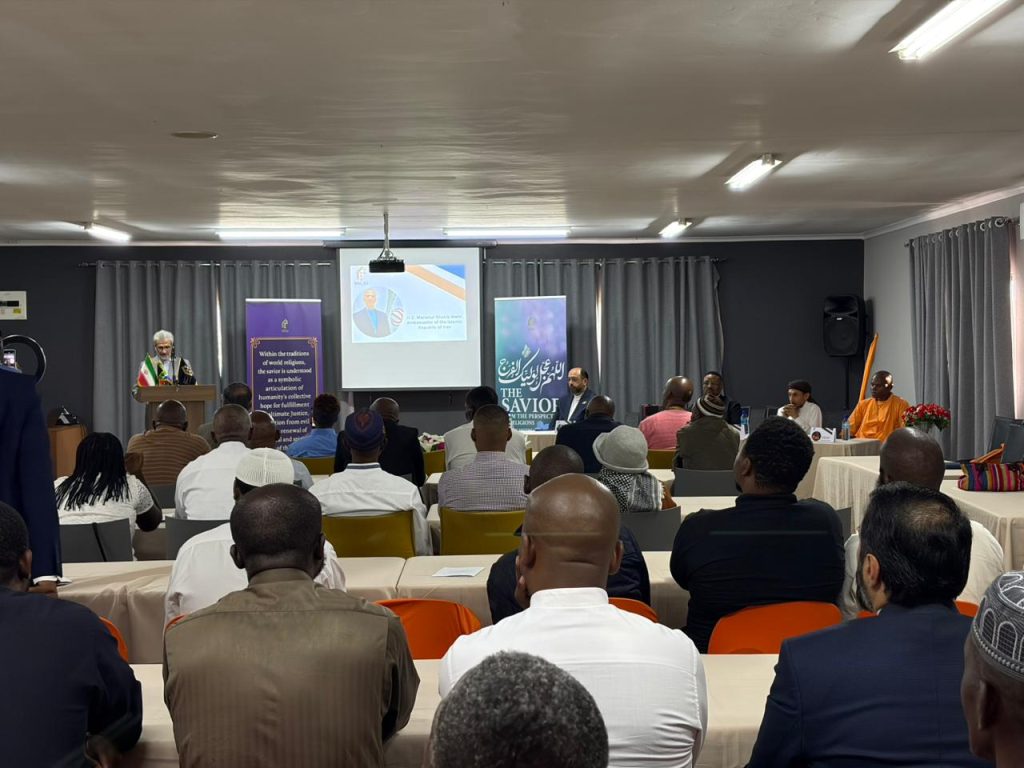
On Saturday,14 February 2026, Al-Mustafa International University(MIU_SA) convened an interfaith research programme entitled”The Saviour from the Perspective of Religions.” The programme formed part of MIU_SA’s ongoing academic and community engagement initiatives aimed at promoting interreligious dialogue, scholarly exchange, and social cohesion.
The event brought together religious leaders, academics, students, and community representatives from diverse faith traditions to examine how the concept of the saviour is understood, articulated, and lived across religious worldviews. The programme was hosted at the MIU_SA campus in Johannesburg and reflected a high standard of academic rigour, respectful engagement, and intellectual openness.
2. Programme Structure and Facilitation
Guests were welcomed from 16:30, during which ushers facilitated reception and brief engagements with attendees. The formal academic programme commenced at 17:00 and proceeded according to a carefully structured schedule that ensured clarity, balance, and adequate engagement time for each component.
The programme was exceptionally facilitated by the Master of Ceremonies, whose professionalism, clarity, and composure contributed significantly to the seamless flow of proceedings. The MC demonstrated a refined ability to maintain academic decorum while fostering an atmosphere of warmth, inclusivity, and attentiveness—an essential quality in interfaith scholarly engagements.
3. Speaker Presentations
The programme featured four distinguished speakers, each offering a faith-based and scholarly perspective on the theme.
3.1 H.E. Mansour Shakib Mehr
Ambassador of the Islamic Republic of Iran
H.E. Mansour Shakib Mehr delivered a nuanced address on the Islamic understanding of the saviour, situating salvation within the broader framework of divine guidance, prophetic continuity, justice, and moral responsibility. His presentation emphasised Islam’s understanding of salvation as a process rooted in ethical conduct, obedience to God, and collective responsibility.
Notably, the Ambassador referenced the concept of the Imaam Mahdi (a.j.t.f.s.), highlighting its theological significance within Islamic eschatology as a symbol of hope, justice, and the restoration of moral order.
3.2 Dr Lawrence Mduduzi Ndlovu
Christian Pastor and Academic
Dr Ndlovu presented a scholarly exploration of Christian soteriology, engaging the theme of the Incarnation and its salvific implications. Drawing from theological tradition, he examined how salvation in Christianity is understood through redemption, reconciliation, and healing, offering valuable insights into the lived experience of faith within Christian theology.
President, International Islamic Mission
Imaam Syed Sayeed Mohamed addressed the concept of the saviour through the lens of Islamic mission, leadership, and spiritual reform. His presentation underscored the responsibility of religious leadership in guiding societies toward moral clarity, justice, and spiritual consciousness.
In alignment with earlier Islamic reflections, the Imaam also referenced the Imaam Mahdi (a.j.t.f.s.), contextualising the concept as an embodiment of hope, ethical renewal, and divine justice.
Vaishnava Hindu Monk
Representing the Hindu tradition, HH Bhakti Sarvajña Gauranga Swami offered a philosophical and devotional exposition on moksha (liberation) and divine grace. His address highlighted devotion (bhakti), self-realisation, and service as central pathways toward spiritual fulfilment and liberation.
An integral dimension of the programme was the inclusion of student participation. Two MIU_SA students presented original poetic reflections on the theme of the saviour from faith-based perspectives. These recitations enriched the programme by introducing contemplative and reflective elements into the academic discourse.
5. Question and Answer Session
The formal presentations were followed by a structured Question and Answer session, during which participants engaged critically with the speakers. The questions reflected depth of thought and focused on theological interpretation, ethical convergence, and contemporary relevance.
The session was characterised by mutual respect, scholarly attentiveness, and constructive dialogue.
The programme concluded with a thanksgiving address delivered by the Dean of Al-Mustafa International University (MIU_SA), Dr Seyyed Hamid Reza Haqiqi, who expressed gratitude to the speakers, organisers, and attendees for their meaningful contributions to the success of the programme.
Special commendation was extended to the chef, university staff, and student volunteers, whose dedication, professionalism, and collaborative effort were instrumental in ensuring the smooth execution of the event. Their commitment exemplified the spirit of teamwork and service that underpins MIU_SA’s institutional values.
Following the formal proceedings, guests were invited to supper and informal collegial engagement, allowing for continued discussion, networking, and interfaith connection in a relaxed and welcoming environment.
The Interfaith Research Programme, “The Saviour from the Perspective of Religions,” successfully fulfilled its academic and social objectives. It fostered meaningful interreligious dialogue, deepened theological understanding, and strengthened relationships across faith communities.
Through initiatives such as this, Al-Mustafa International University (MIU_SA) continues to affirm its role as a centre of knowledge, dialogue, and unity, contributing positively to scholarly discourse and social harmony in South Africa.
Legitimate Freedom in the Islamic Paradigm: Foundations, Domains, and Limitations Dr. Seyyed Hamid Reza Haqiqi Dean of Al Mustafa International University in South Africa Abstract The concept of freedom is one of the most pivotal and challenging topics in contemporary political and social thought. This research examines the concept of “legitimate freedom” from an Islamic…
In Memory of Martyrs President Ebrahim Raisi and Foreign Minister Hossein Amir-Abdollahian Programme Title: Qur’an, Truth & Governance – Specialized Session Date: Saturday, 23 May 2026 Time: 10:30 AM The programme was jointly organized by the Cultural Consulate of the Embassy of the Islamic Republic of Iran in South Africa and Al-Mustafa International University (MIU),…
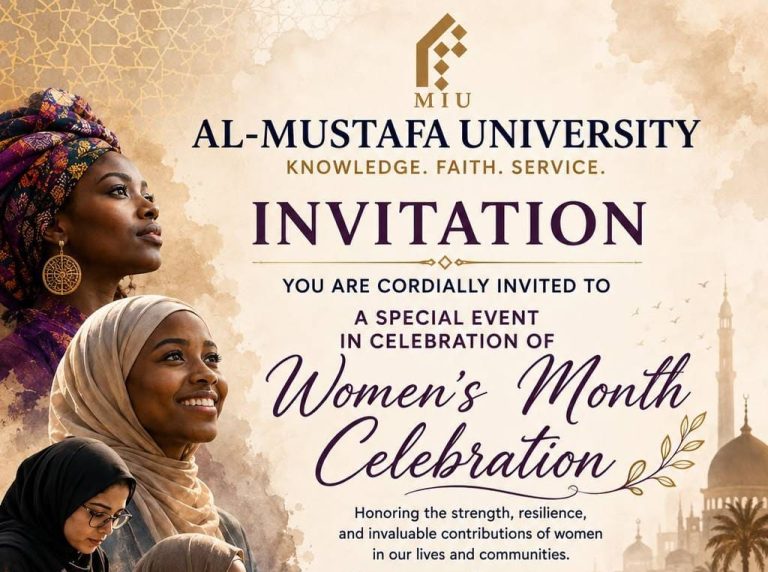
Johannesburg, South Africa – 21 August 2026 Al-Mustafa University – South Africa Campus hosted a special Women’s Month Celebration, organised and led by the university’s students. The programme provided a platform for students and academics to reflect on the role, dignity, resilience, and social contributions of women from Islamic, African, and contemporary perspectives. The programme…

Bi‘thah: The Birth of Ethical Rationality and a Civilizational Turning Point. Dr. Seyyed Hamid Reza Haqiqi Dean of Al Mustafa International University in South Africa Abstract This article argues that Bi‘thah—the prophetic mission of Prophet Muhammad (peace be upon him)—should not be viewed solely as a religious event, but as a civilizational and epistemic transformation….
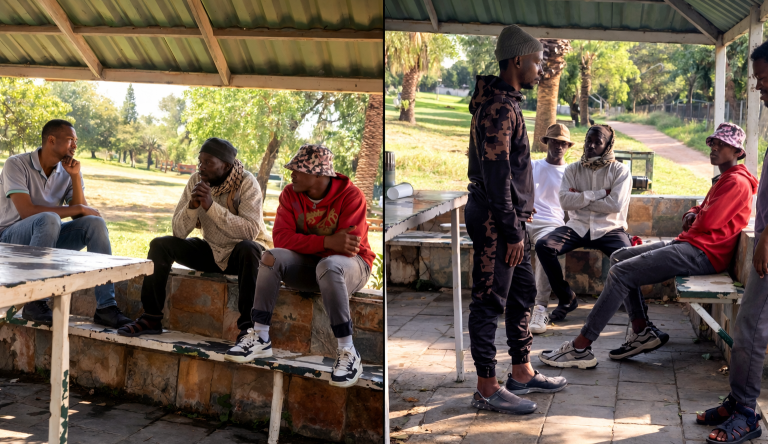
A Transformative Day at Victoria Lake we believe that education extends far beyond the boundaries of lecture halls and textbooks. In line with this philosophy, our students recently embarked on an enriching excursion to Victoria Lake, also known as German Lake, in Germiston. The visit formed part of our ongoing commitment to experiential learning —…
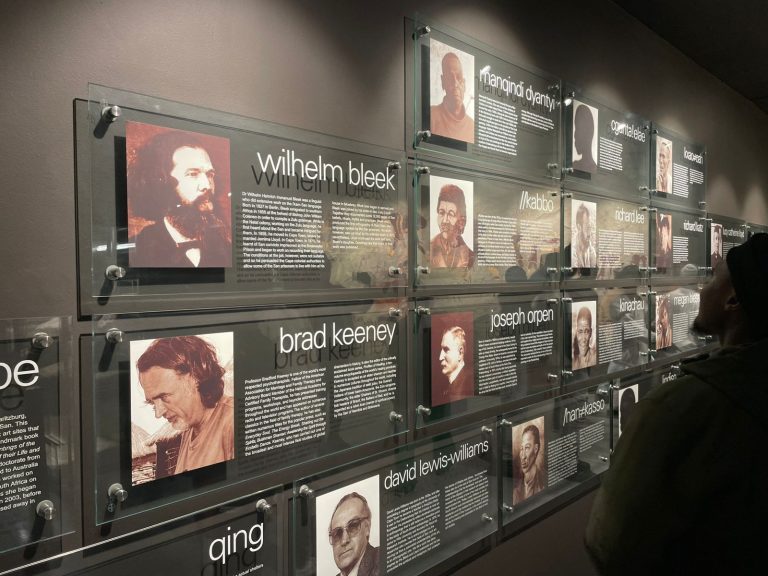
Al-Mustafa International University of South Africa (MIU_SA) Date of Visit 23 April 2026 Venue Wits Origins Centre, University of the Witwatersrand, Johannesburg Exhibition Visited Facing the Heat Exhibition by Professor Vishwas Satgar Introductio Al-Mustafa International University of South Africa (MIU_SA) recently organized an educational excursion for students to the Wits Origins Centre in Johannesburg. The…
Any Question?