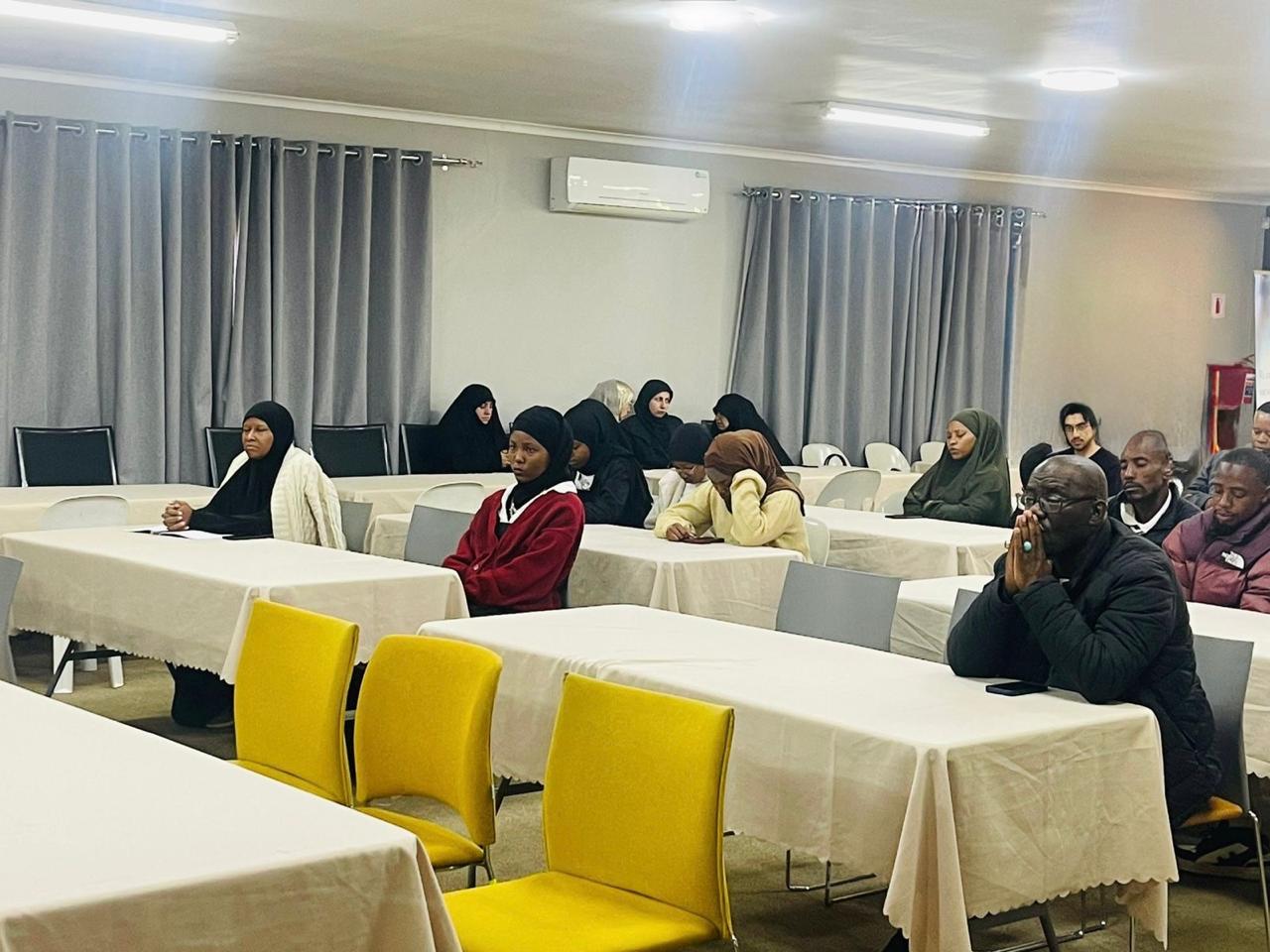
Qur’an, Truth & Governance – Specialized Session Held at MIU_SA
ByMehdi
In Memory of Martyrs President Ebrahim Raisi and Foreign Minister Hossein Amir-Abdollahian
Programme Title: Qur’an, Truth & Governance – Specialized Session
Date: Saturday, 23 May 2026
Time: 10:30 AM
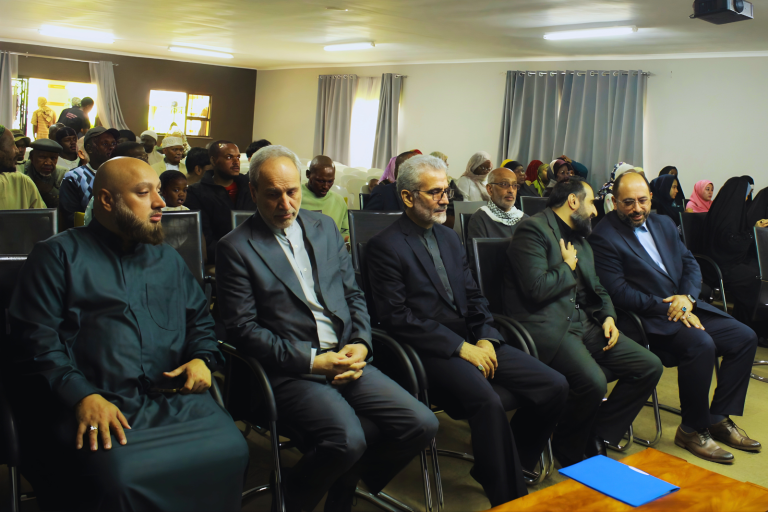
The programme was jointly organized by the Cultural Consulate of the Embassy of the Islamic Republic of Iran in South Africa and Al-Mustafa International University (MIU), South Africa Branch, and served as both an intellectual engagement and a memorial gathering in honour of the late President of the Islamic Republic of Iran, Shahid President Ebrahim Raisi, and the late Foreign Minister, Hossein Amir-Abdollahian.
The programme was hosted and facilitated by Sheikh Ali Nchinyane, who welcomed distinguished guests, scholars, diplomats, students and members of the broader community from across South Africa. Throughout the session, emphasis was placed on the relationship between Qur’anic teachings, ethical governance, justice, service to humanity and resistance against oppression.
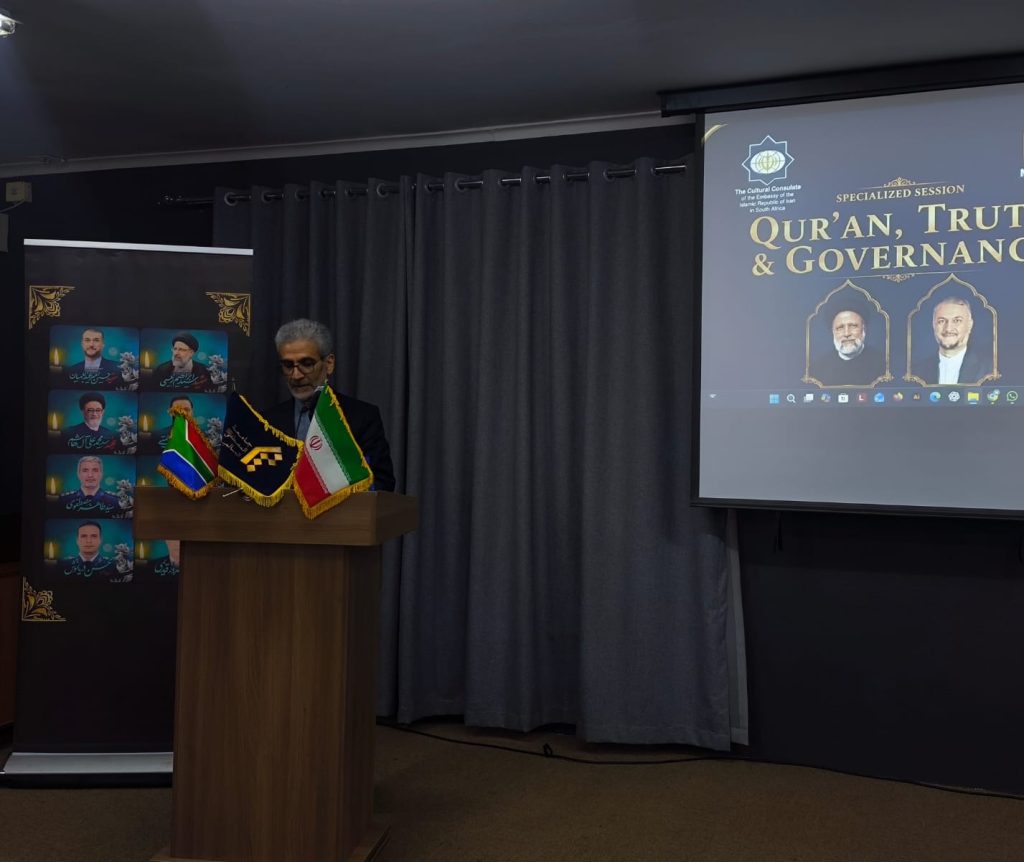
Among the distinguished speakers was H.E. Ambassador Mansour Shakib Mehr, Ambassador of the Islamic Republic of Iran to South Africa, who reflected on the lives and legacies of President Raisi and Foreign Minister Amir-Abdollahian. He highlighted their commitment to justice, diplomacy, the Palestinian cause and service to oppressed communities across the world. The Ambassador further emphasized that despite the tragic martyrdom of senior Iranian officials, the Islamic Republic of Iran continued its constitutional and governmental processes with stability and resilience.
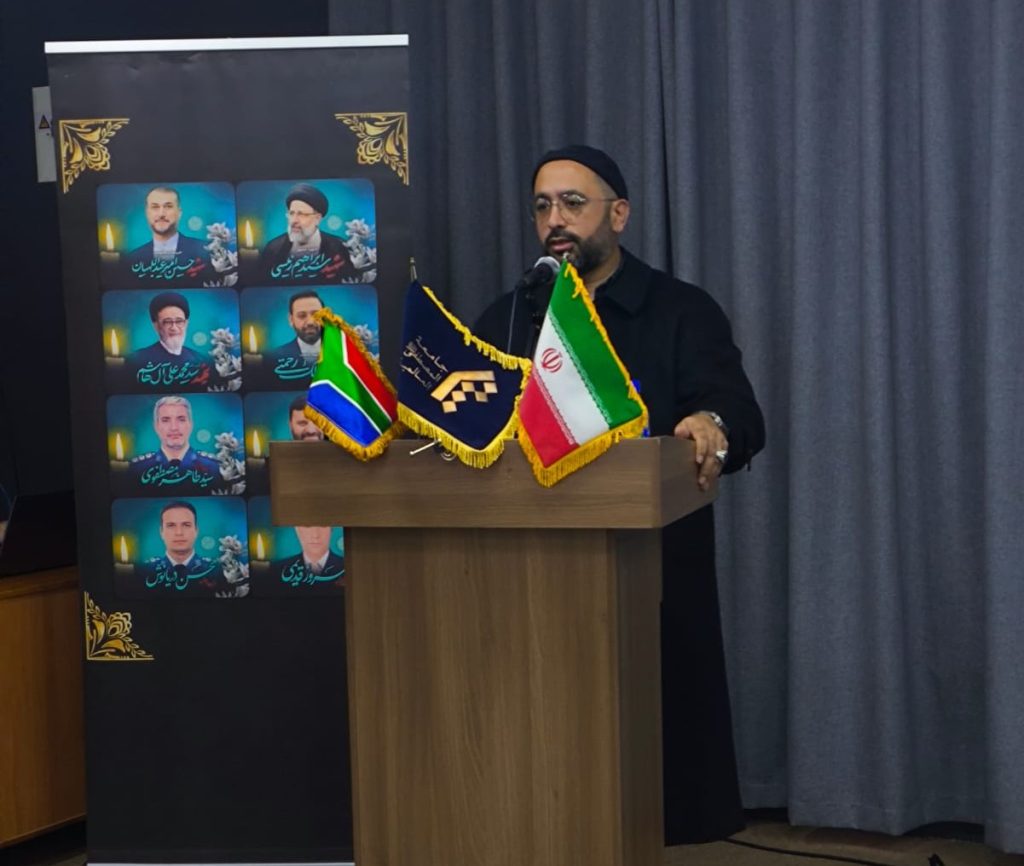
As the concluding speaker of the session, Dr Seyed Hamid Reza Haqiqi, President of Al-Mustafa International University, South Africa Branch, addressed the audience on the importance of service to humanity within the teachings of the Holy Qur’an. He explained that Islam views assisting and uplifting society as a form of worship and stressed that communities are strengthened when people work together in goodness, compassion and social responsibility. Dr Haqiqi also delivered the official vote of thanks, expressing appreciation to all speakers, organizers, guests and participants who contributed to the success of the programme.
The Cultural Attaché of the Embassy of the Islamic Republic of Iran in South Africa, Dr Seyed Abdollah Daryabari, delivered a deeply reflective address centred on the moral and spiritual path represented by the martyrs. He encouraged attendees to move beyond personalities and instead focus on the enduring meanings of sacrifice, sincerity, justice and devotion to truth.
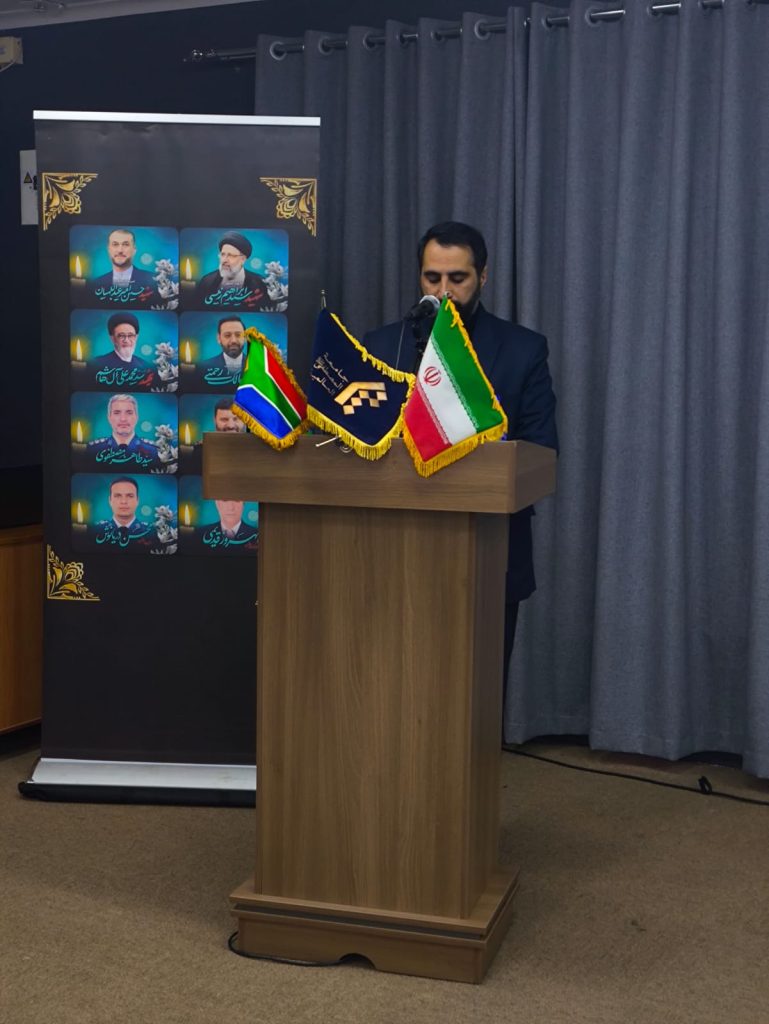
Lecturer at MIU_SA and Chairperson of Soweto Ahlul-Bait(as) Jamaat, Maulana Mohau Mokoatle, presented a scholarly paper on Qur’anic governance and justice. He emphasized that the Holy Qur’an is not merely a book of personal spirituality, but a comprehensive guide addressing ethics, law, economics, leadership and civilization. He further reflected on the Qur’anic responsibility of standing with the oppressed and warned against corruption, materialism and the abuse of religious leadership.
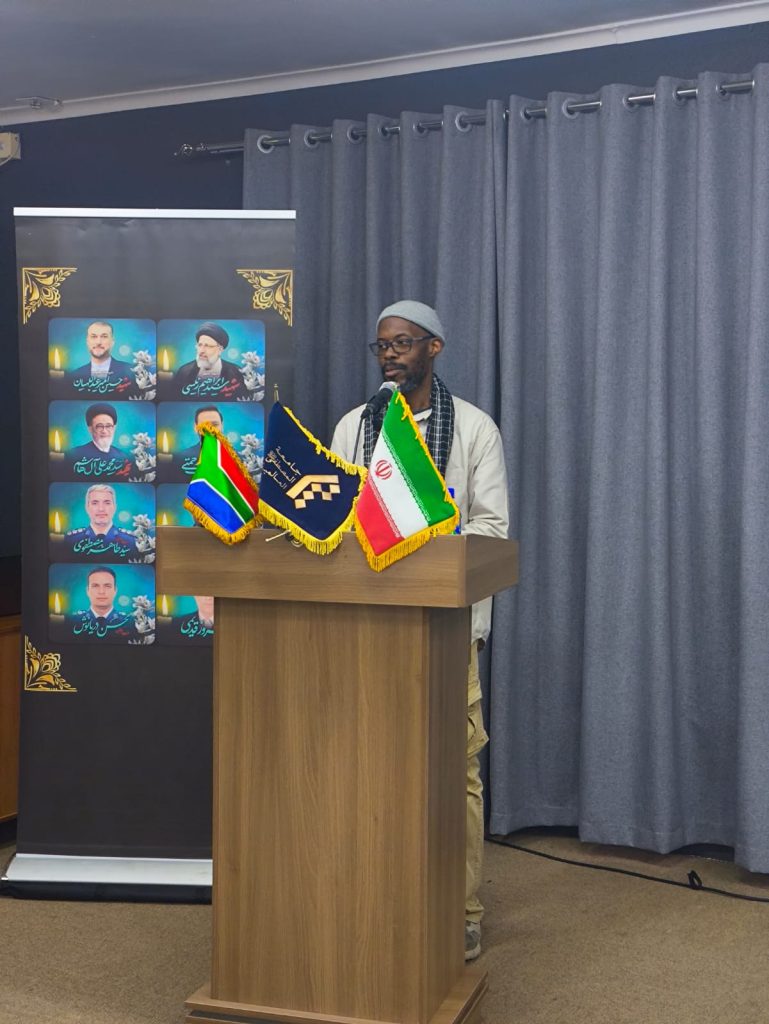
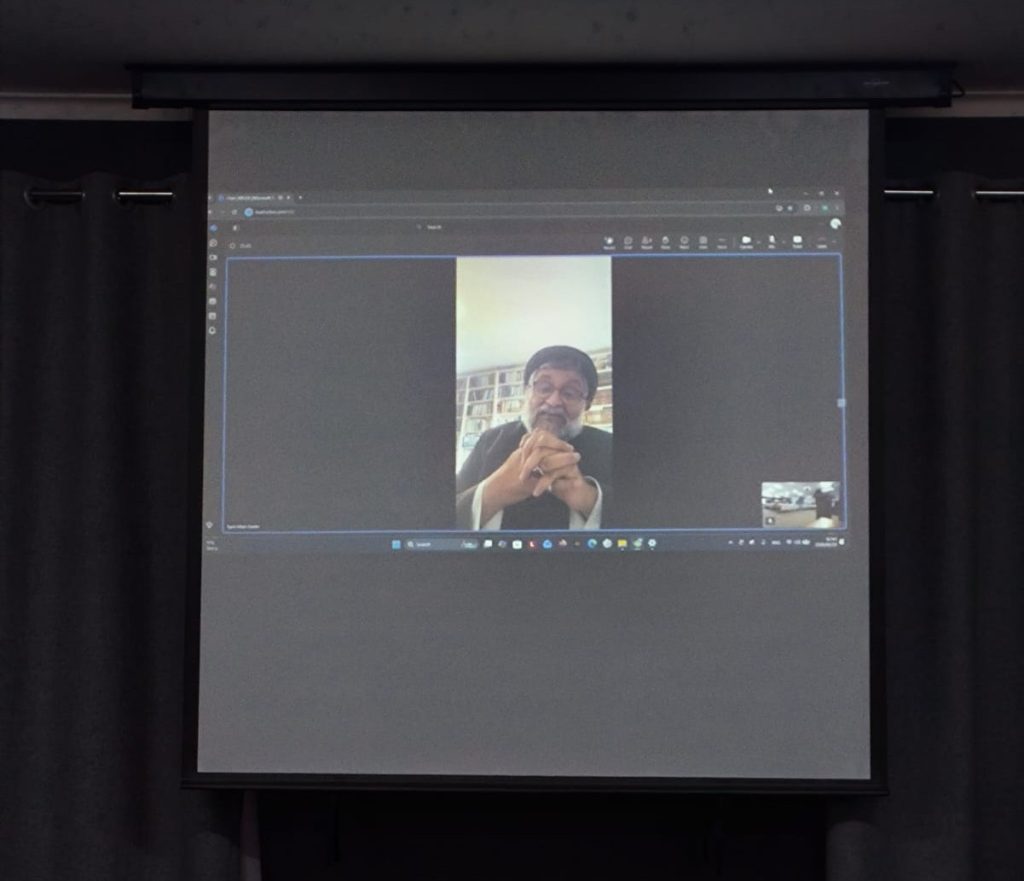
The programme also featured a virtual contribution by Maulana Sayed Aftab Haider, National Coordinator of the Ahlul Bait Foundation of South Africa, who spoke extensively on justice-oriented leadership in Islam. Drawing from the example of Imam Ali (AS) and the life of President Ebrahim Raisi, he emphasized that leadership in Islam is viewed as a responsibility of service rather than a position of privilege or power.
A moving poetic recitation titled “The Sorrow of the Land” was delivered by Brother Faisal, whose poem reflected on martyrdom, truth, resistance and the moral responsibility of societies in the face of oppression and injustice.
Throughout the session, speakers repeatedly emphasized the continued relevance of Qur’anic teachings in addressing contemporary global crises, including injustice, occupation, inequality and moral decline. Particular attention was given to the importance of principled leadership, intellectual integrity, solidarity with oppressed peoples and ethical governance rooted in divine guidance.
The programme concluded with reflections on unity, scholarship and the responsibility of educational and religious institutions to cultivate morally conscious societies grounded in justice and compassion.
MIU_SA extends its sincere appreciation to all speakers, delegates, organizers, students and guests who contributed to the success of this important engagement.
Organized By
The Cultural Consulate of the Embassy of the Islamic Republic of Iran in South Africa
Al-Mustafa International University (MIU), South Africa Branch
Programme Host / MC
Sheikh Ali Nchinyane
Speakers
E. Ambassador Mansour Shakib Mehr – Ambassador of the Islamic Republic of Iran to South Africa
Dr Seyed Abdollah Daryabari – Cultural Attaché of the Embassy of the Islamic Republic of Iran in South Africa
Maulana Sayed Aftab Haider – National Coordinator, Ahlul Bait Foundation of South Africa
Maulana Mohau Mokoatle – Lecturer at Al-Mustafa International University and Chairperson of Soweto Ahlul-Bait(as) Jamaat
Dr Seyed Hamid Reza Haqiqi – President of Al-Mustafa International University, South Africa Branch